
 Certain peanut varieties can grow and thrive in our clime, provided you find just the right spot.
A number of years ago, a listener sent me a note, letting me know she was having some success growing peanuts in Vermont. The listener even sent along some seeds so I could plant the crop in our backyard garden. After some experimentation — and failures, thanks to hungry mice — I came up with a system that does, indeed, work for growing peanuts in our region.
This warm-season legume, native to South America, was a food staple for Incan and Aztec civilizations, who ground it into a paste. Peanuts eventually made their way around the globe, due to colonization and trading routes. And now many places worldwide grow peanuts to use in a variety of culinary dishes, from savory and spicy to sweet. Peanuts need four to five months of hot, sunny weather to mature — not exactly how one might describe Vermont’s summertime weather! But if you can create that environment in a microclimate, you can grow a small crop that would be harvestable by fall.
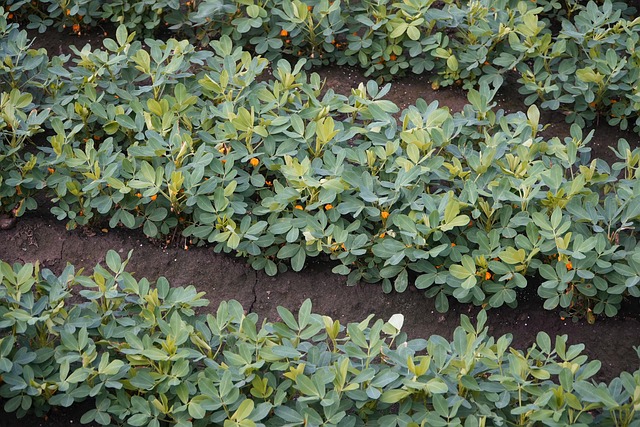
While growing, the peanut plant itself looks like a clover plant. It grows very slowly at first, but then eventually starts to flower, with small yellow blossoms. Those small flowers get pollinated and turn into what is called a peg, which is like a stem that tunnels down into the soil. At the end of each peanut plant peg is where the peanuts form. The more pegs you have, the more peanuts you get.
My first attempt to grow them outdoors didn’t last long, because our climate didn’t stay warm long enough. When I moved the crop to grow in an unheated greenhouse in the ground, they did very well. And that’s when the hungry mice showed up and absconded with the whole crop! These trial-and-error growing scenarios allowed for me to create the ideal microclimate, suitable for growing warm-season legumes and avoiding nibbly critters.
For the last couple years, I have grown the peanut plants in an elevated raised bed — which keeps them out of reach of mice — in a mixture of potting soil and compost inside the unheated greenhouse. If you’ve got a similar setup, ‘Tennessee Red Valencia’ is a short-season peanut to try. Plant the peanut crop in an elevated raised bed in June and you’ll have a peanut harvest in October.
Once harvested, let the peanuts cure or dry for two to three weeks (in a mouse-proof area), then roast and enjoy.