
Bee Friendly Lawns, Perennial Vegetables, Soil Protection and Norfolk Island Pine Houseplant
Happy New Year! I hope you all had a good holiday break and New Year’s celebration. Even though the temperatures haven’t gone above freezing in a week in our Vermont garden, it’s still time to do some garden planning for 2026. It’s never too early to buy seeds and make plans for new gardens this spring.
With that in mind, let’s talk about a garden that most of us ignore; the lawn. Most lawns are ecological deserts with a few species of grasses and weeds growing. But you can make your lawn into a green garden for bees and other pollinators. In this newsletter I talk about incorporating clover and other flowers that bloom at a low height, into the lawn. This will make your lawn a better place for pollinators, while still allowing you to mow to keep the lawn tidy. Learn more about bee friendly, low mow lawns here.
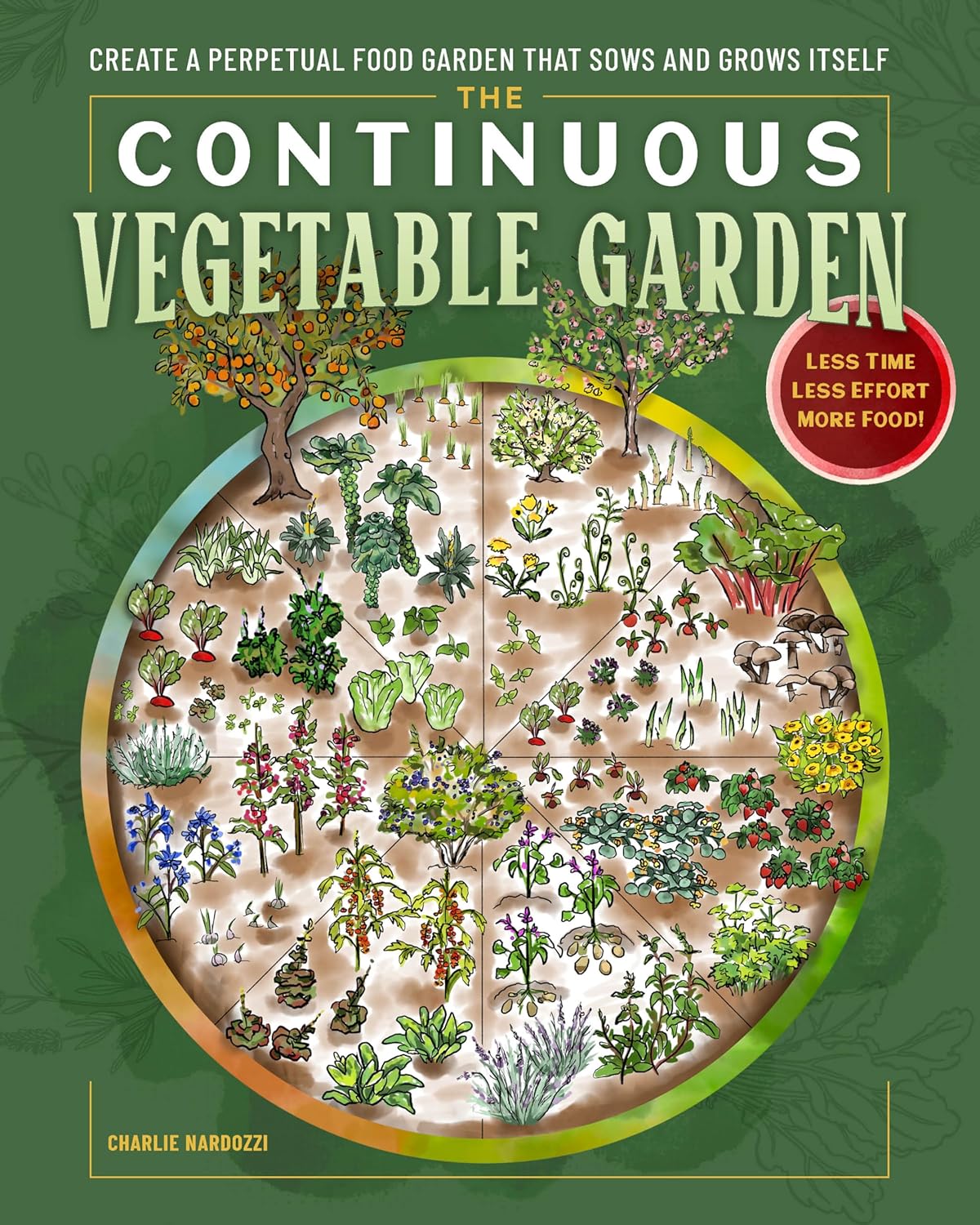
In my new book, The Continuous Vegetable Garden, I highlight some perennial vegetables that we all should be incorporating into our gardens and landscapes. Perennial vegetables aren’t just asparagus and rhubarb. There are others worth trying as well. Learn more about perennial vegetables in this newsletter.
Although in some areas the ground is very frozen, I know many parts of the country have experienced lots of early winter warm weather. This would be a good time to look at your soil. Protecting the soil from weather extremes in winter is important. Freezing and thawing cycles can harm the soil microbes and plant roots. Learn more about soil protection here.
January is a good month to do some houseplant shopping. We love our houseplants and l’ll be talking about some of our favorites in the next month or two. Let’s start with the Norfolk Island Pine. This tree makes a great evergreen houseplant and seconds as a holiday tree as well. Learn more about Norfolk Island Pines in this newsletter.
Proven Winners
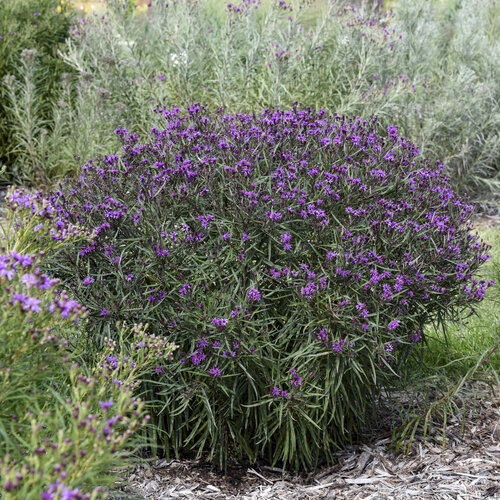
Also, remember to check my monthly garden blog I write for Proven Winners called What’s Up North. The January blog talks all about some cool new flower and shrub varieties for your garden. There’s been lots of breeding to make flowers and shrubs more floriferous and better stewards of Nature and pollinators. Check out my blog on New Flower Varieties, such as veronia, delphinium, aronia and hydrangea, and more, here.
Until next time I’ll be seeing you, in the garden.
Charlie

Where to Find Charlie: (podcasts, TV and in-person)
- In the Garden (WCAX-TV CBS) – This week: Indoor Herb Growing
- All Things Gardening on Vt Public Radio– This week: New Vegetable Varieties for 2026
- WJOY In The Garden Podcast– This week: Care and feeding of holiday plants including the many Poinsettia varietals, Christmas Cactus, houseplants and pests, and fall pruning tips
- Where’s Charlie Speaking? 2/12/26: Stowe Vermont Library- Vegetable Gardening
How to Grow: Ecological Bee Lawns
University of Minnesota Extension
Americans grow lots of lawn grass. It’s estimated there are more than 50 million acres of lawns in the USA. That’s the equivalent of the size of Florida and Wisconsin. Unfortunately, most of this lawn is an ecological desert. Most lawns consist of a few lawn grass varieties and some weeds. It may be green and lush, but it’s wasted space where we could be growing flowers that help pollinators and wildlife. Most gardeners don’t want to sacrifice their greensward for something that looks unruly. or requires lots of care. Now there’s a way to have both.
Bee friendly lawns are gaining in popularity. These are lawns that have traditional lawn grasses mixed with perennial flowers that bloom at a low height. In this way you can have flowers for the bees and wildlife, yet still be able to mow to have a functional lawns for playing, sports and entertaining. It’s all about plant selection and maintenance.
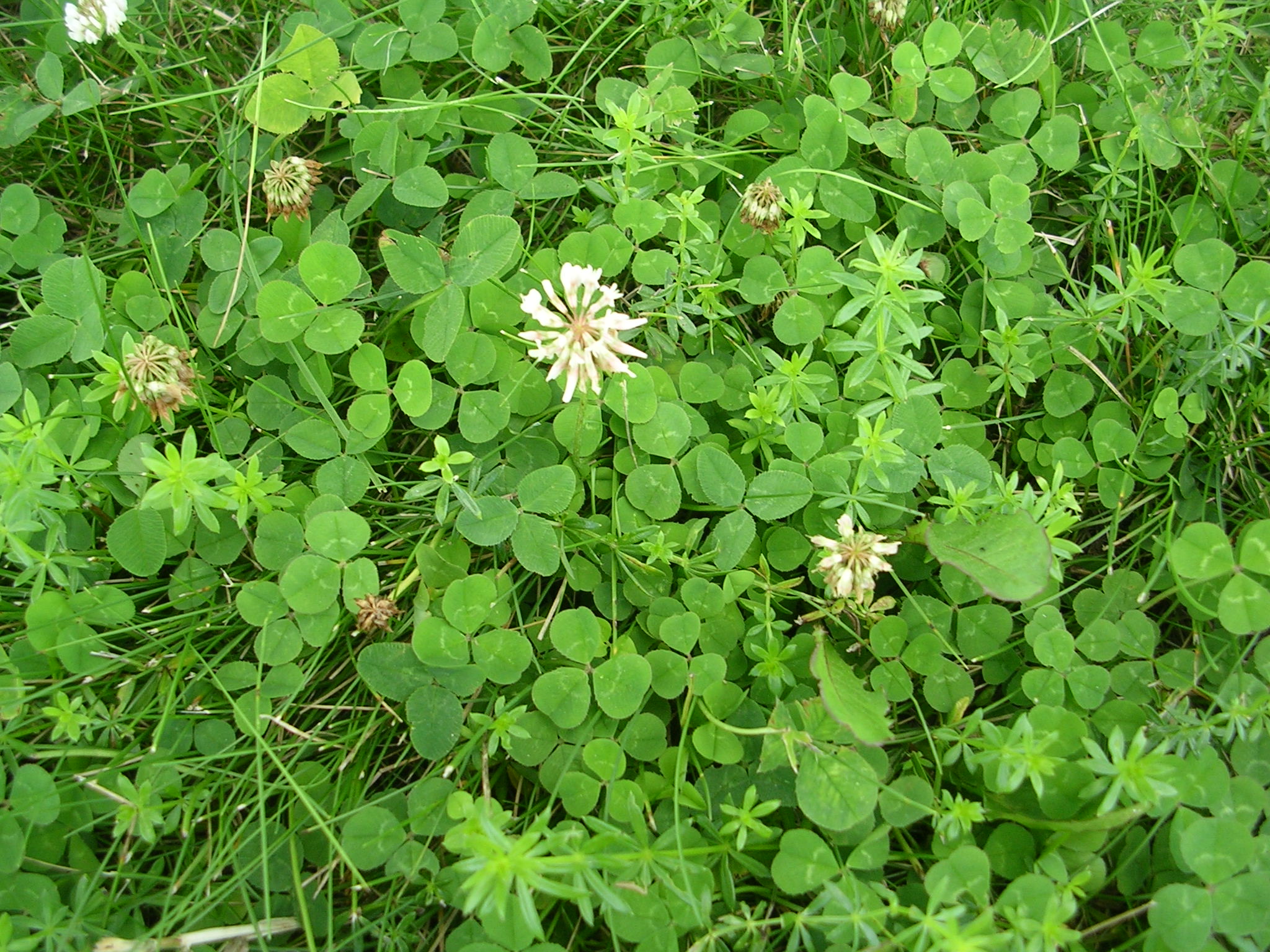
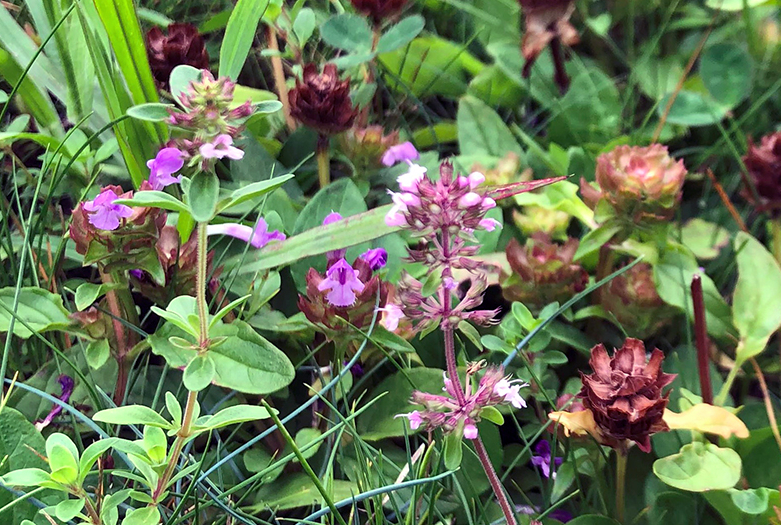
First, assess your lawn. If it’s thin or very weedy, it might be best to till it up and start over. However, if the lawn is okay, you can over seed it with grasses and flowers that help pollinators and still have a green lawn. Start with clover. Dutch white clover isn’t native, but it’s a pollinator powerhouse. Bees love it and it has the ability to flower at a low height. Mix in some prunella, or heal-all, which is native and maybe some creeping thyme. You’ll create a flower mix that works well in cool season lawns and you’ll have the makings of an ecological lawn.
Here are the steps. Choose a side yard, a slope or a lawn section to dedicate to bees, butterflies, and pollinators. In late winter, mow the lawn very low and sow a mix of fine fescue and flowers. Fine fescue turf grass has thin, almost hairy-looking grass. blades This type of lawn grass is great for this project since other plants and flowers can easily grow through it. And if your grass is already in good shape, no need to re-do! In early spring cut your lawn grass down very short — around an inch tall. Then, aerate the ground with a commercial aerator. This helps break up the soil and creates air holes and places for seed to start. Now mix up some flower seeds! Commercial blends of this bee friendly lawn mixture are available, too. You’ll need four to five pounds per 1,000 square feet. Sow your flower-seed mixture through the lawn area and water it well. Doing this early spring helps the seed get settled and start growing first before the weeds and grass do.
When the lawn grass does start coming up, the flowers that you sowed will come up, too. Maintain your bee lawn with occasional mowing, to about 3 inches high, and enjoy your functional, environmentally-friendly green space. This flowering bee lawn may take a few seasons to come in fully, but once it’s in, you’ll have a flowering green space providing essential nectar and pollen.
Learn more about Ecological Bee Lawns here
Find out more about my Webinar on Lawn Care and Growing A Bee Lawn here

How to Grow: Perennial Vegetables
In my new book, The Continuous Vegetable Garden, I talk about ways to make gardening easier, less work, more cost effective and more environmentally friendly. A lot has to do with what you grow for edibles. One group of plants that we often forget about for vegetables are perennials. Yes, there are perennial vegetables that, once established, can yield food for years with a lot less work than most other annual vegetables.
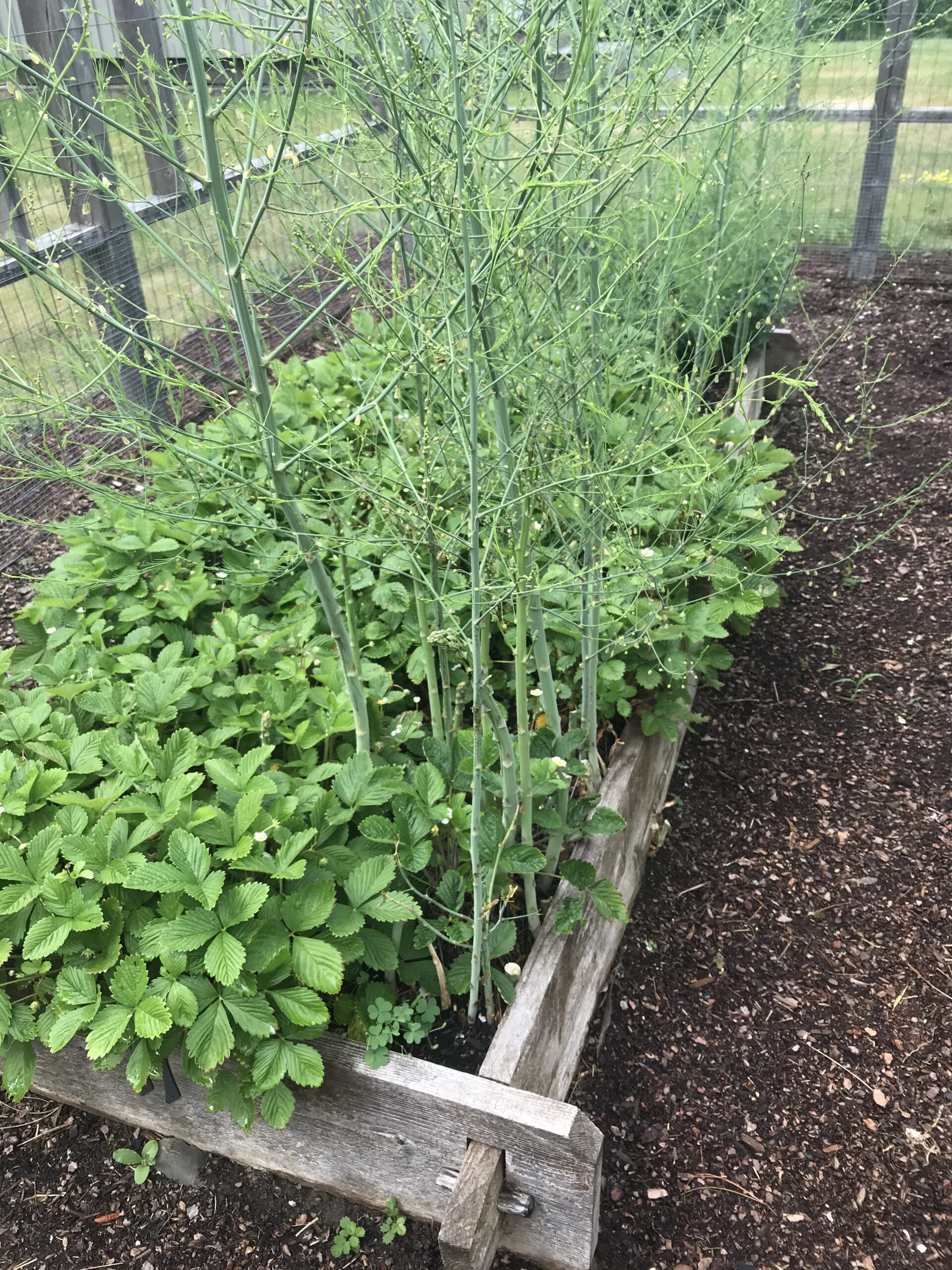
The classic two perennial vegetables that most gardeners know are asparagus and rhubarb. Both are good choices for the small space vegetable gardener because of the high yields and their longevity. We’ve grow both veggies since we started gardening at our new house 15 years ago and they produce reliably each spring. You can get clever about ways to save space with these perennials. You can interplant strawberries with your asparagus and get two edibles in one space. They compliment each other well. Asparagus has deep roots and ferny tops. Strawberries are short plants with shallow roots. The asparagus shade the strawberries from the hot afternoon, summer sun and the strawberries help maintain the soil moisture by acting like a ground cover. Rhubarb is an ornamental edible that can be planted in flower gardens near other large perennials such as peonies and phlox. Even after harvesting, rhubarb looks great and the flower stalks are attractive as well.
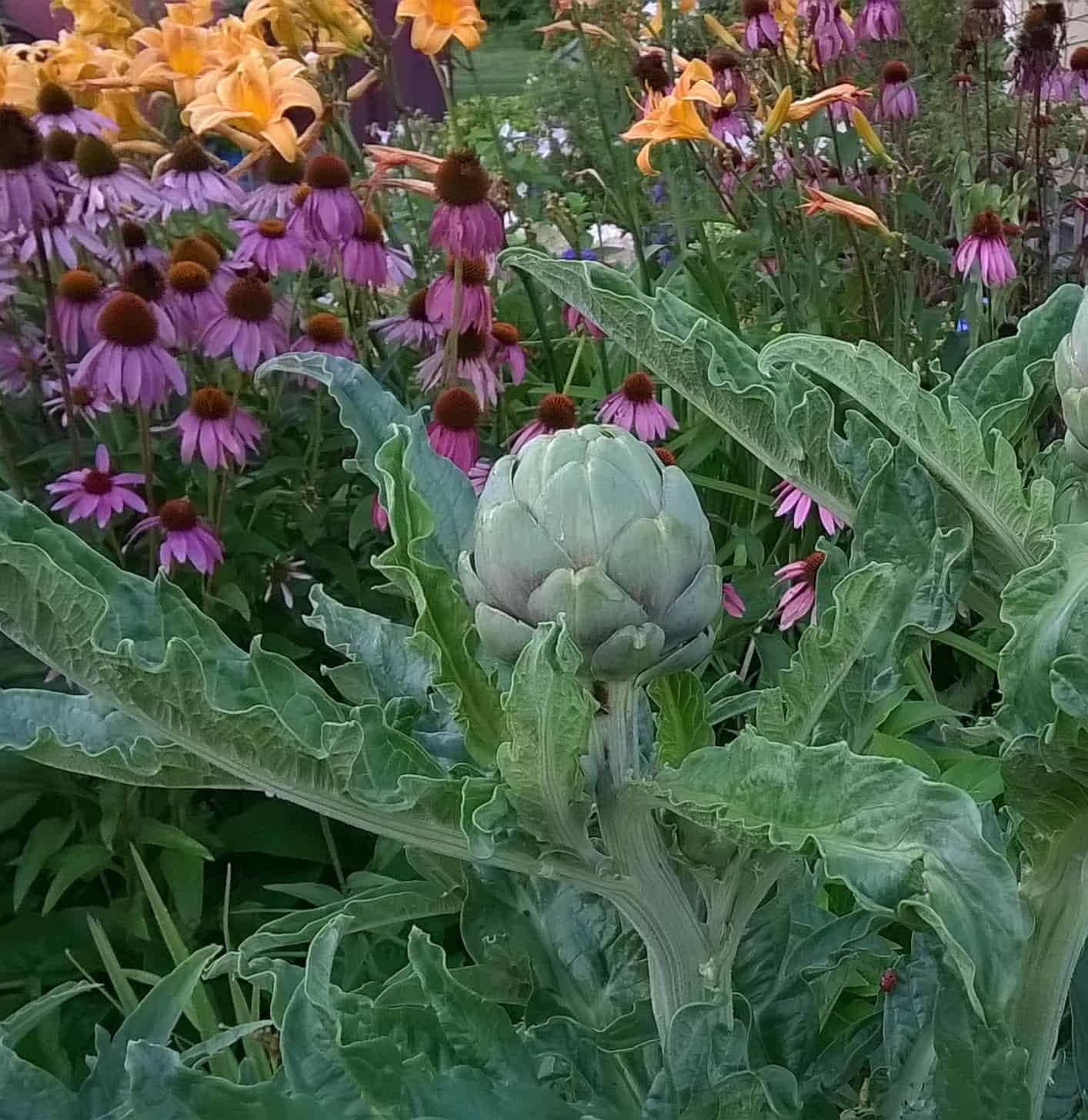
There are other perennials that are available and more uncommon. Perennial kale and broccoli make it through the winter to grow and yield greens and crowns each year. Look for ‘Sea’ kale, ‘Kosmic’ kale, and ‘Homesteader’s Kaleidoscope’ kale. For broccoli, check out ‘Purple Sprouting’, ‘Red Arrow’, and ‘Nine Star’. Grow these as you would other kale and broccoli. Bunching onions and Egyptian onions are two perennial onions that yield tasty shoots in spring and small onion bulblets in summer. Globe artichokes are technically biennial plants, but they will send up offshoots in warmer climates and can be treated as a perennial. ‘Imperial Star’ and Green Globe’ are two classic varieties.
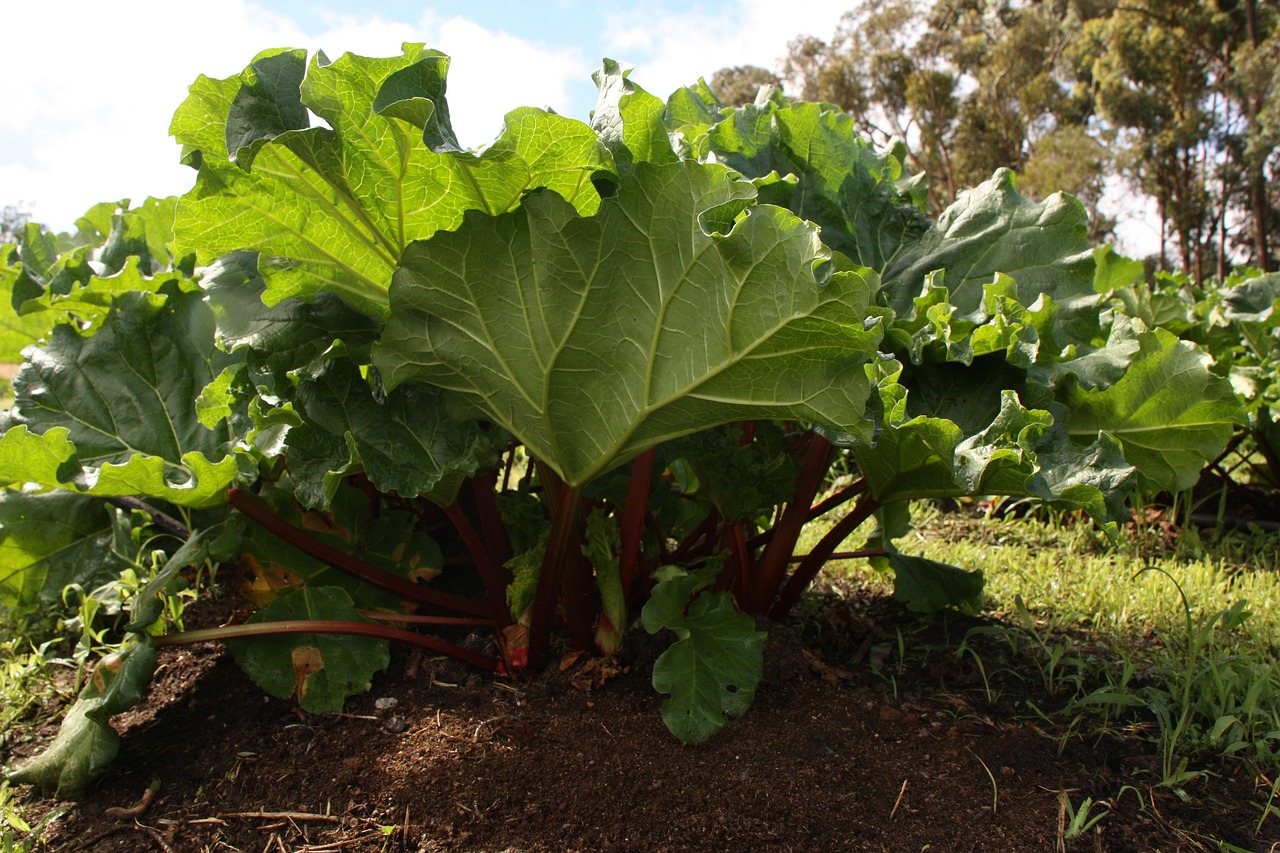
For large perennials such as artichokes, rhubarb and broccoli, leave enough room for them to occupy a space. Plant them at the edge of beds or in their own location. For spreading perennials, such as Egyptian onions, sorrel, horseradish, and Jerusalem artichokes, make sure they don’t grow where they will overcrowd other plants. Often they’re best in their own space. Plant them where you can mow around the plants to keep them from spreading or where they’re easily thinned out. I’ve even grown some mushrooms and let them spread and become naturalized. The easiest are the Wine-Cap Mushrooms. They do require their own bed at first, but the spores will spread throughout your yard over time.
Learn more about Asparagus here
Learn more about Rhubarb here
Learn more about Jerusalem Artichokes here
Learn more about Globe Artichokes here
Soil Protection
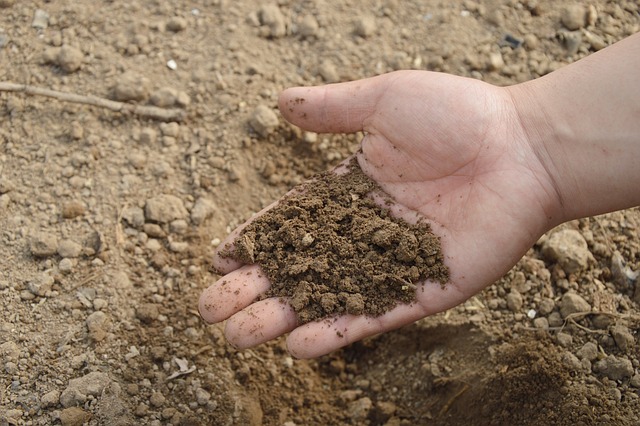
It’s winter, but that doesn’t mean you shouldn’t be taking care of your soil. If you live in the North, the ground is frozen and the soils are asleep. But in many other areas, the ground may still be alive with activity, especially if you’ve had warm spells this winter. Protecting the soil is important for a few reasons. Weather can cause soil to erode, blow away or be damaged. Soil microbes are the life of the soil. There are literally billions of microbes in the soil that help plants grow and are integral to soil and ecosystem health. Protecting these microbes helps us all.
If your soil is covered with snow and ice, don’t worry, there’s nothing to do now. However, as soon as thawing starts, make sure there is an organic layer of materials on your soil. These could be leaves, hay, old grass clippings. You may have added these materials last fall, but chances are by late winter they have decomposed or blown away. This mulch will prevent the soil from freezing and thawing. That action can lift perennial flower and vegetable roots out of the ground and dry out.
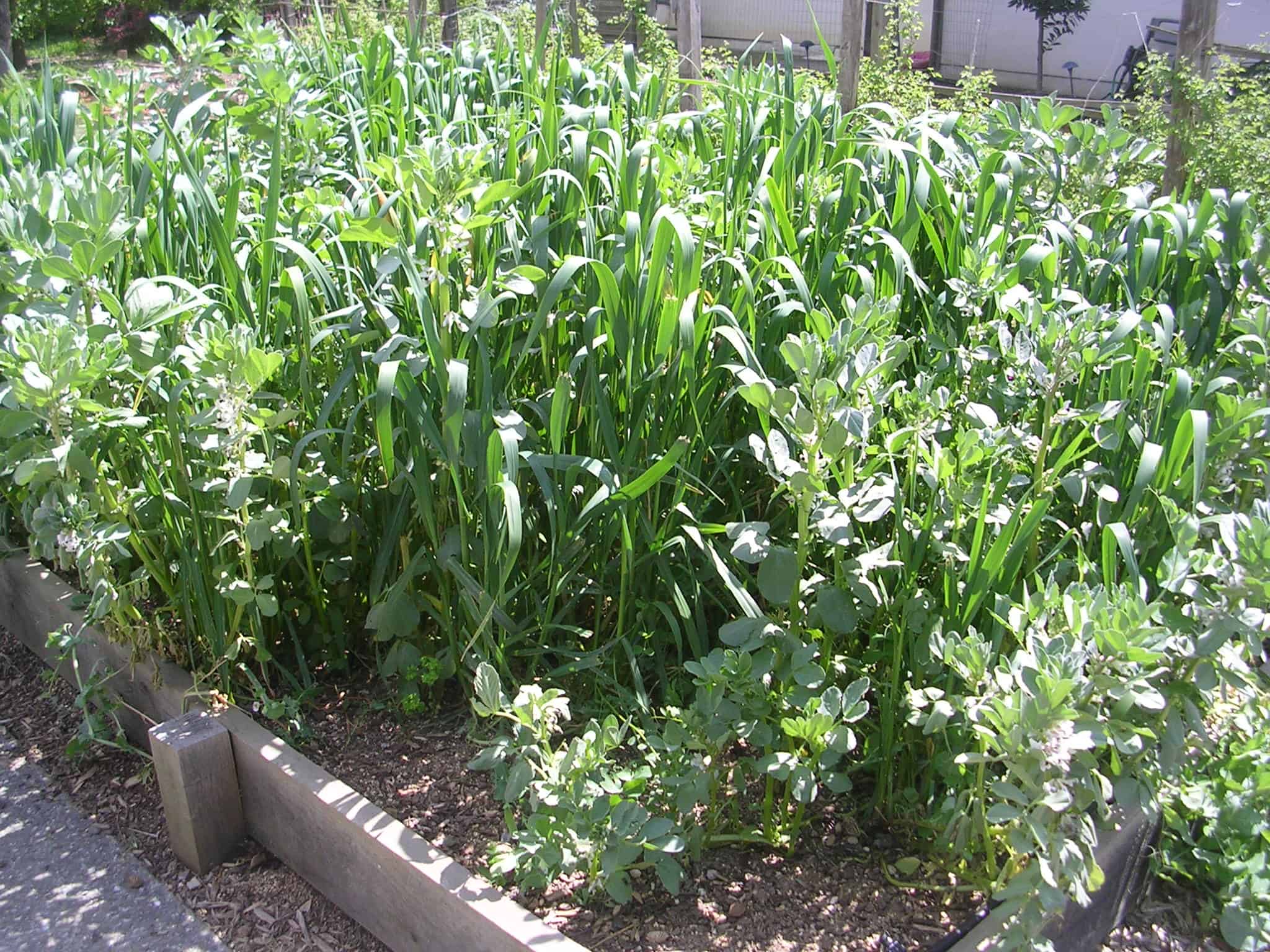
Another option for next year is to stop tilling the soil which harms the soil microbes and opens up the soil to erosion. It would be better to grow cover crops on the soil in fall instead. In the No Dig system we don’t grown cover crops that will survive the winter because we’d have to till them under in spring. Instead, we look for cover crops that aren’t hardy in your area. That could include buckwheat, oats, and field beans. These cover crops will naturally die in winter but their roots will hold the soil in place and provide food for the microbes in spring.
Learn more about Soil Protection here
In Our Garden: Norfolk Island Pine
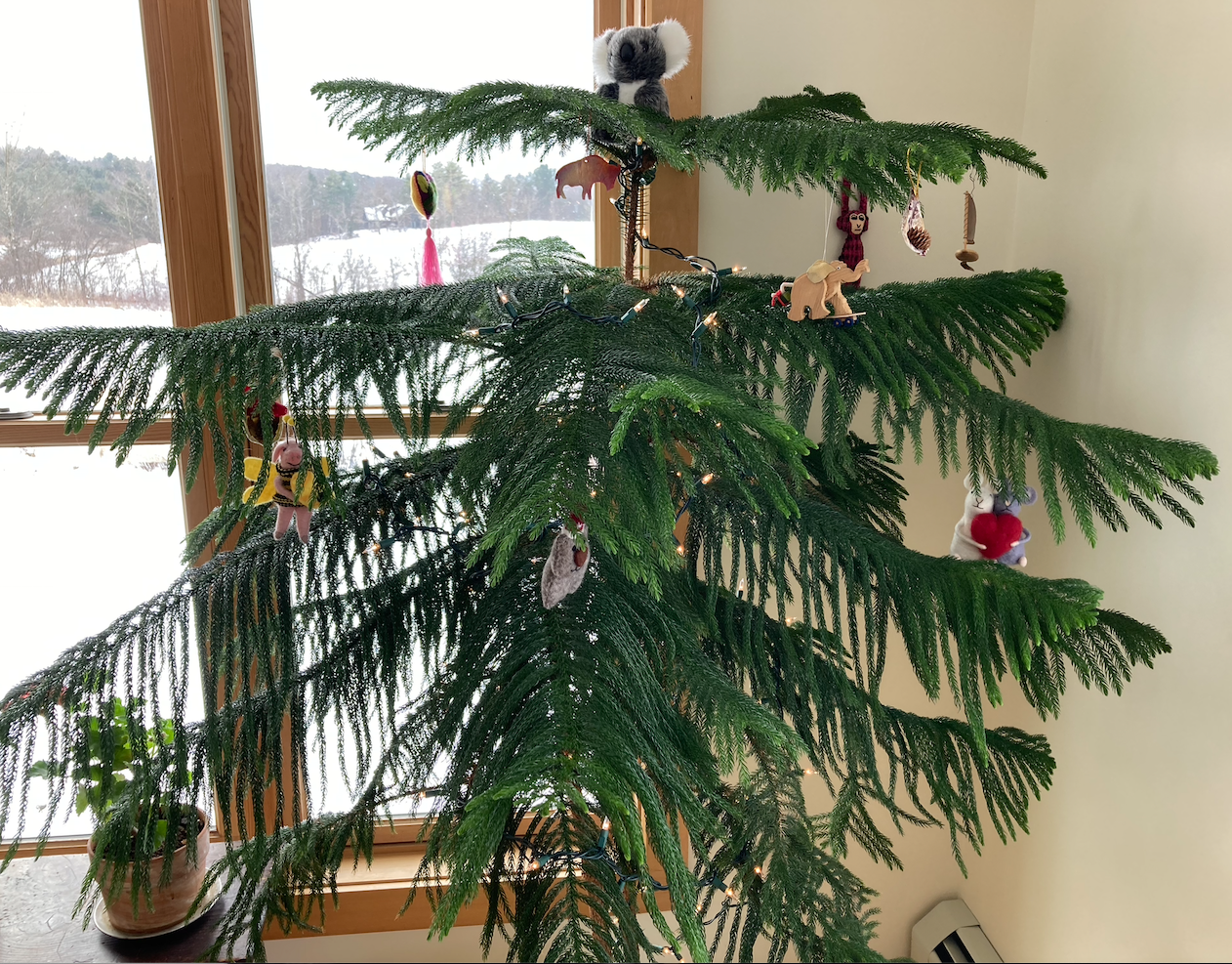
Sometimes you may be gifted a large houseplant. Other times, your small houseplants grow so well they become enormous. In either case, large, floor houseplants make a statement in your house. If you have the room, a large houseplant is a delight to grow. It doesn’t need as much care as smaller houseplants and can become a fixture in your house for years. One of the best, large houseplants is the Norfolk Island Pine.
The Norfolk Island Pine is a Southern Hemisphere tree found in New Zealand, Chile and, of course, Norfolk Island. In the wild it can grow 100 feet tall. In the house in a container, it can be keep a manageable size for years. It looks like a pine tree, but has soft branches and needles and grows slowly in a pot. Often there will be more than one tree in a pot you buy.
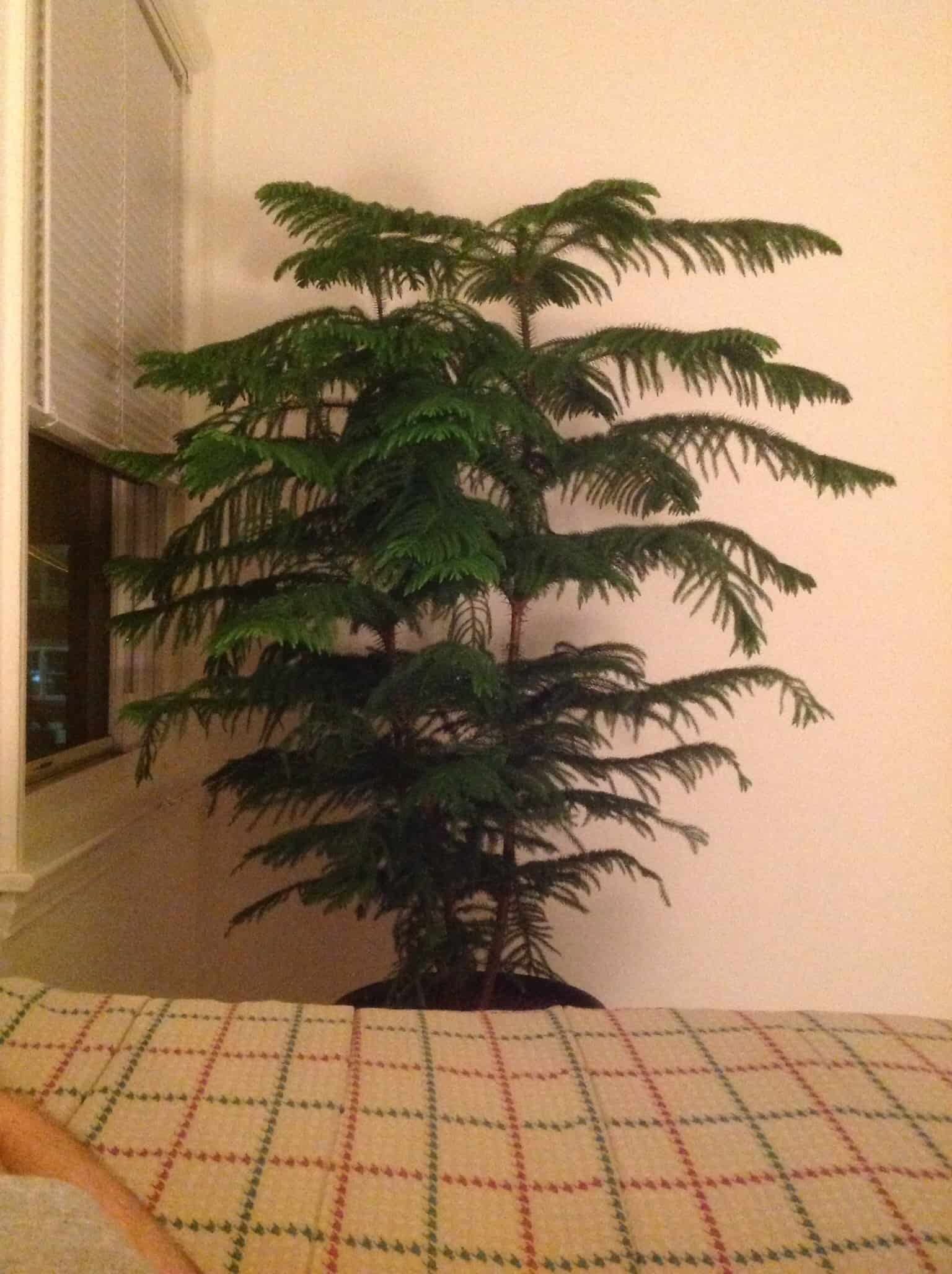
We grow ours in a sunny spot next to South and West facing windows. It loves it. In warmer climates, the tree might like more shade especially in summer. We rotate the plant so it doesn’t lean. Grow the Norfolk Island Pine in a potting mix with compost and bark added. Keep moist. We give our pine a shower monthly to keep the dust off the branches and humidity higher. Repot the tree once it’s root bound. Brown needles are a sign of root bound or low humidity.
The only downside of growing a Norfolk Island Pine is it really can’t be pruned to stay small. Topping the tree deforms it. You can remove damaged or dead side branches, but they won’t regrow.